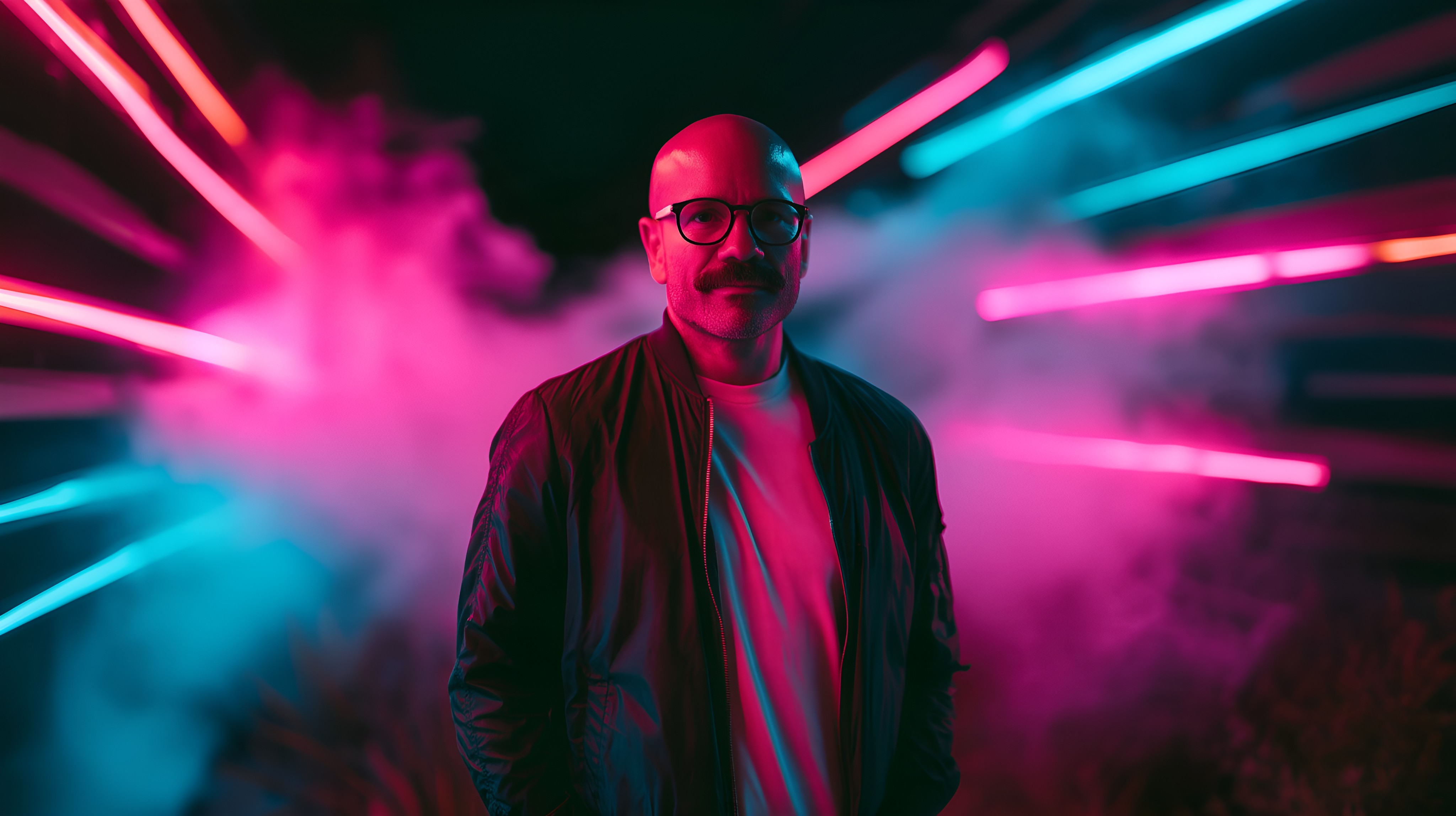
Jeremy O'Meara
Hero videovideo/jeremy-hero.mp4
Full-stack Designer  ·  AKL, NZ

JeremyO'Meara

I design product journeys that make sense. Then I build them.

Research, interface, front end, integrations. One person, concept to production.

Available from October 2026, part-time

Read me
About

Design and build have never been separate jobs to me

I started out building websites in Melbourne in 2009, moved into UX in 2013, and have since led design at The Walt Disney Company and run the design team at Bilue in Sydney. Today I'm Head of Digital Experience at The Resilience Canopy, and co-founder of Fynders, Seekers.

Most of what I do sits between figuring things out and making things real: understanding what people need, working out how they should get there, designing the experience, and building it. These days that means planning, designing and developing everything from Webflow and Wized sites to iOS and Android apps, custom CMSs and dashboards.

My Process

01 / 07
01

Discover

Before anything gets designed, I find out what everyone needs and what's already there.

Stakeholder interviews

Define the goals, objectives and motivations behind a project from every stakeholder's point of view.

Deep dives

Contextual product testing, competitive analysis and desktop research, to understand an existing product and the field it plays in.

02

Understand

Research turns into people. Assumptions turn into evidence.

Segments & personas

Segment mapping defines the audiences that matter to a project, and in turn informs the personas the design has to answer to.

UX audits

Analysis of the current experience, heuristics included, surfaces the usability problems an existing product is already paying for.

03

Frame

Now the product gets a story, a shape, and an order of importance.

Narrative prototyping

Story maps set the product's high-level story. Journey maps build an abstract model of it and define how someone actually moves through.

Critical path analysis

Red route analysis ranks features and requirements by what people genuinely can't do without.

Information architecture

Properly structured, well written, relevant content is most of what a good experience is made of.

04

Make

Pen first, pixels second. Ideas get cheap enough to throw away.

Sketching

Still the fastest way to get an idea out of your head, or to find the one you hadn't had yet.

Wireframing

Pen and paper to lay the foundations, then into digital for distribution, consensus and UI prototyping.

UI prototyping

Conceptual through low, medium and high fidelity, holding stakeholders together and telling development what to build.

05

Prove

Then we find out whether any of it was right.

User testing

One-to-one interviews, remote sessions and guerrilla testing prove or disprove what we assumed at the start.

Iterate

What testing finds goes straight back into discovery, and the work gets a little truer each time round.

06

Plan

Where design decisions turn into technical ones.

Stack and feasibility

The build tools are a decision, not a default. Budget, timeline and who maintains it after I've gone narrow the options well before preference gets a say.

Data modelling

What the product needs to hold, and what shape it should be in. Designed to be extended later without a migration, because the spec will change after you've stopped being able to change it cheaply.

Integration mapping

What talks to what, and what happens when something doesn't answer. APIs, automation and third-party services planned before anything gets wired.

Scope and sequence

What ships first, what waits, and what can safely be got wrong. Certainty first, discovery after.

07

Build

The part where it stops being a prototype.

Front end

Astro, React, Webflow, or whatever the project actually needs. Design decisions survive contact with the browser, because the person defending them is the one writing the markup.

Web apps and platforms

Front ends over whatever backend fits — Firebase, Supabase, Airtable. Custom CMSs and dashboards where the off-the-shelf thing doesn't work.

Mobile

iOS and Android, prototype through to store.

Integrations and handover

APIs, automation and mapping wired in — and built so the people left holding it can run it without me.

Experience

Seventeen years,twelve roles

2009 — 201011 mos

Frontend Designer / Developer

Unique Websites

Melbourne · Full-time

2010 — 20133 yrs 1 mo

Web Designer / Developer

Victorian Automobile Chamber of Commerce

Melbourne · Full-time

2013 — 20141 yr

Senior UX Designer / Frontend Developer

Adstract Art

Richmond, Victoria · Full-time

2014 — 20161 yr 9 mos

Senior UX Designer / Frontend Developer

Alliance Software

Nunawading, Victoria · Full-time

UX lead, UI design support and frontend build for websites and web apps, across clients in sport and entertainment, automotive and finance.

20164 mos

UX Consultant

Prismatik

Sydney · Full-time

Brought in to shape the UX practice and bring the design team in line with current best practice — user-centred problem solving, wireframe fidelity, and balancing business against user needs.

2016 — 20181 yr 7 mos

Lead UX Designer

The Walt Disney Company

Melbourne + Sydney · Full-time

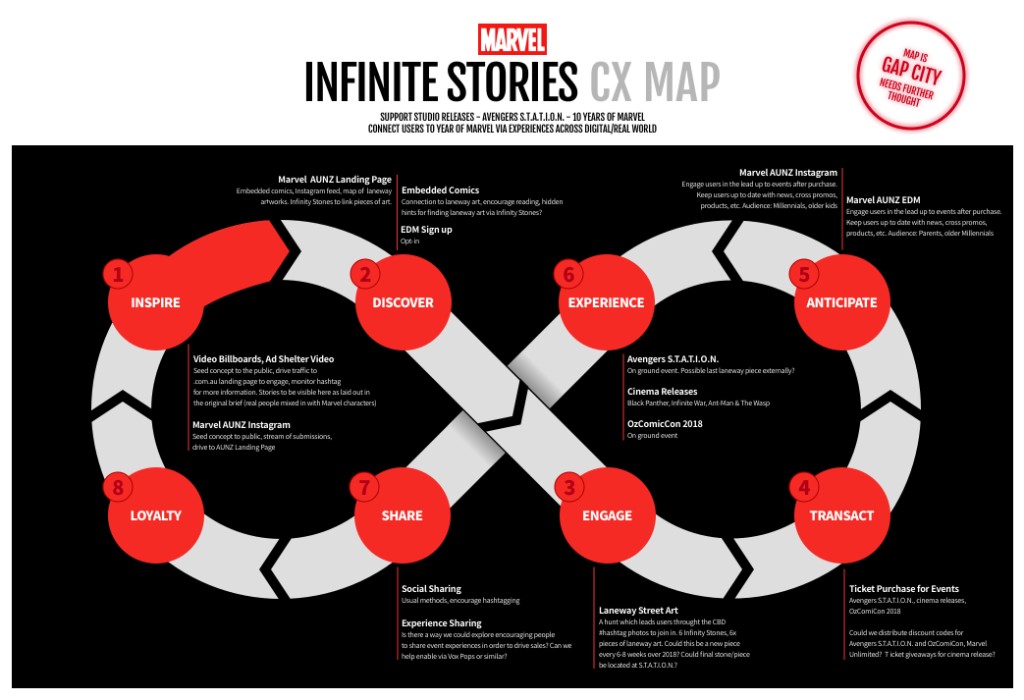
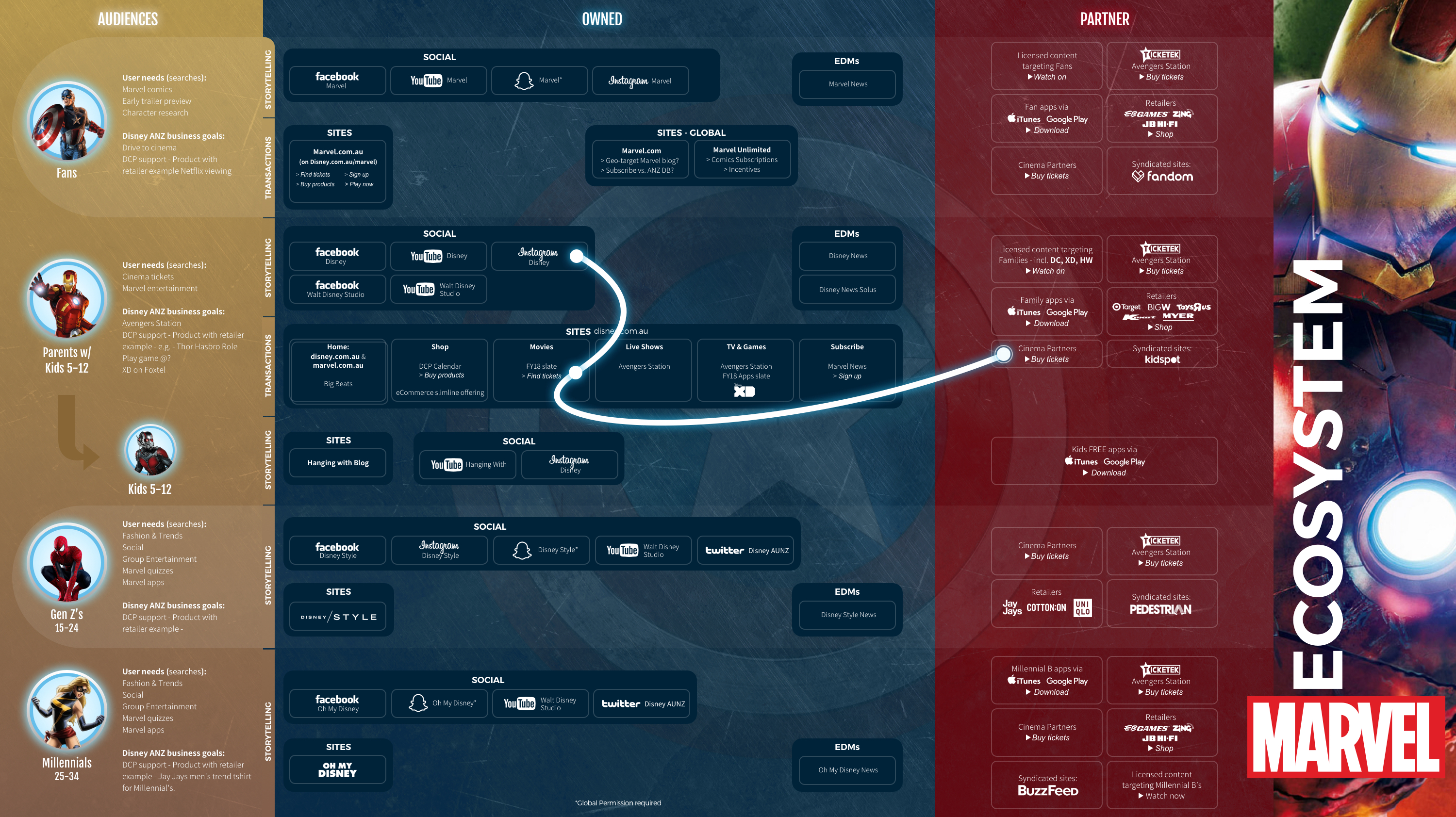
Children's reading apps, movie launches and platform work on disney.com.au and marvel.com.au. Part of the team behind the Avengers STATION event at Fed Square, and concept work for the Disney BookEars app.

DisneyPixarMarvelStar Wars
20184 mos

UX Lead

Loud & Clear

Melbourne

Brought in to work on aspects of the Commbank app while another member was on leave.

2018 — 20224 yrs 2 mos

UX Design + Research · Design Team Lead

Bilue

Sydney, New South Wales · Full-time

Finance, healthcare, government and mining. A pragmatic approach to UX, balancing stakeholder requirements against what people actually need.

iag / NRMA InsuranceAMPACT Gov. HealthOtraco / DownerBroadspectrumCricket AustraliaSpotlight / Anaconda
20224 mos

Senior UX Designer

Ghost Partners NZ

New Zealand · Full-time

Contributed to a FIFA project.

202310 mos

UX / UI, Graphic Design

INTROSPECTUS

Canberra, ACT · Contract · Remote

Worked with the development team to help refine UIs ad-hoc on a specialised security product.

2023 — now3 yrs
Current

Head of Digital Experience

The Resilience Canopy

Australia · Full-time · Remote

Researching, designing and building a low-code platform to enable collaboration across Australia.

WebflowWizedFirebaseAirtableZapierMapbox
2025 — now1 yr 3 mos
Side Hustle

Co-Founder

Fynders, Seekers

Waiheke Island, NZ

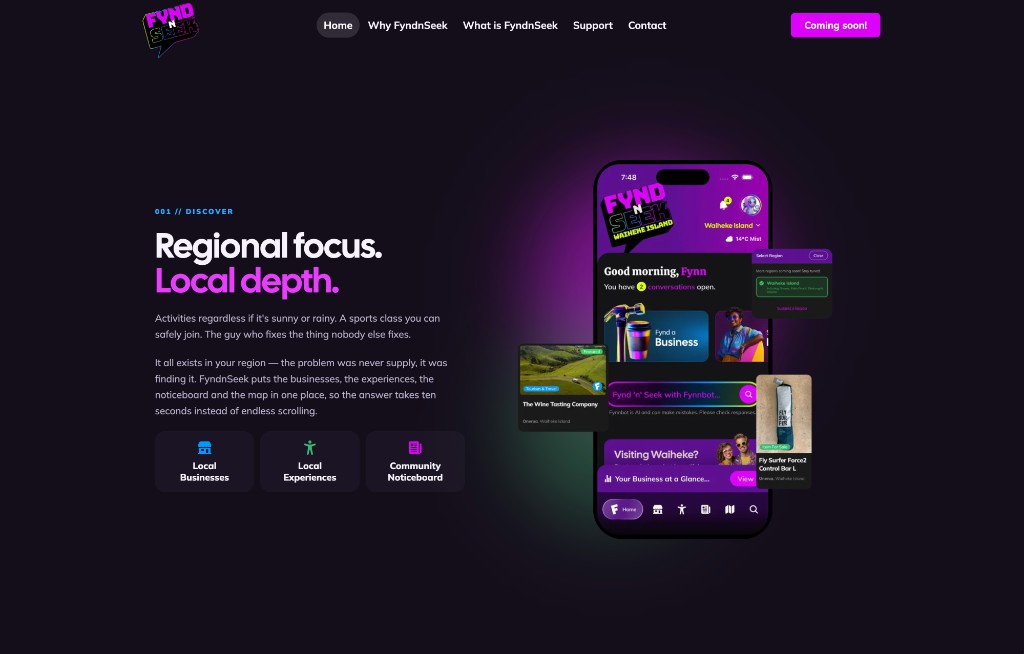
Building FyndnSeek, a local discovery app for businesses, experiences and community. Launching October 2026.

iOSAndroidCursor AIReactSupabaseGoogle Gemini API
Selected work

Case studies

01Community resilience · 2023–present

The spec was never going to hold still

The Resilience Canopy · Head of Digital Experience

ResearchProduct designBuild

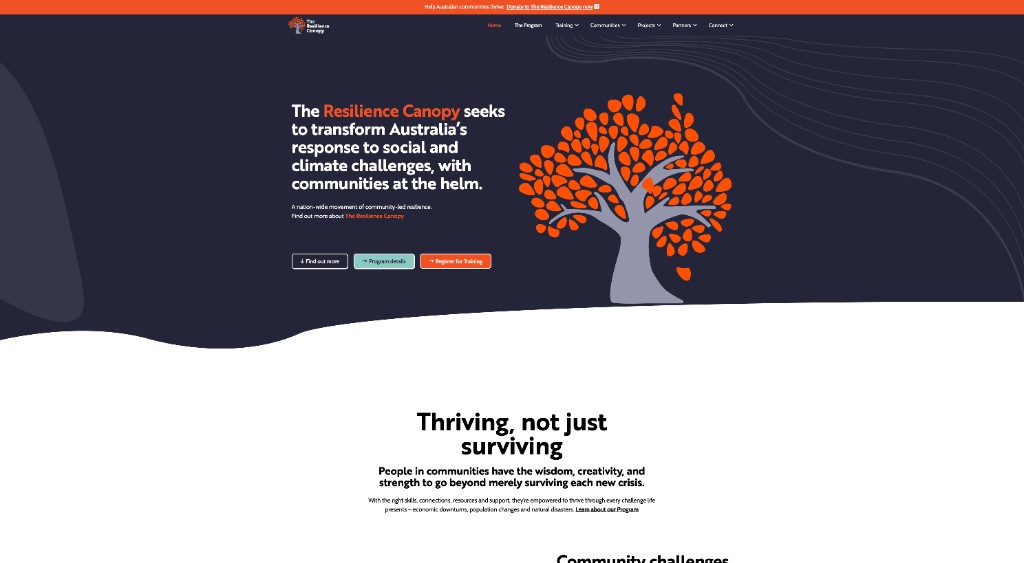
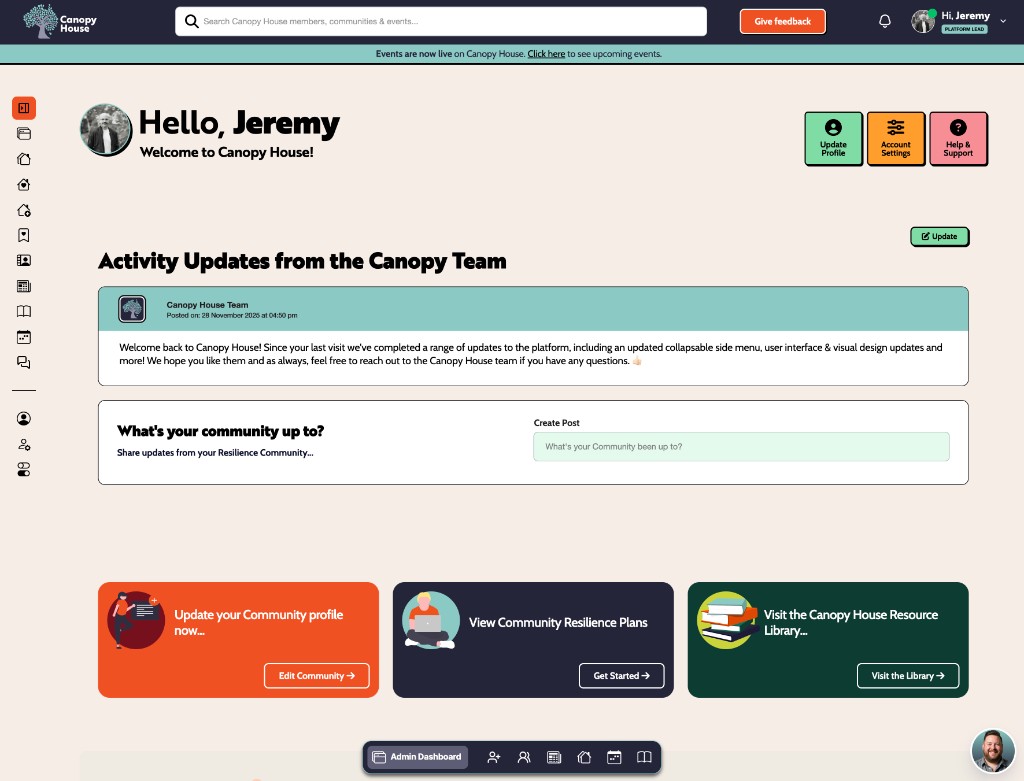
The Resilience Canopy trains local practitioners, who help their communities name their own priorities, then connects them with partners willing to fund the work. We knew the portal had to create communities, let them find each other, and track progress against the six-step model. Everything past that would be discovered by people using it.

Constraint: charity budget, no in-house developer, a definition still forming.

  • Started from the three things we were certain of and shipped those first
  • Researched with the resilience practitioners on the ground — the only people available, since the communities were still in training
  • Built it on Webflow, Wized, Firebase, Airtable and Mapbox, chosen to be cheap to change
The call

The managing director called it building the plane as we flew it, which is usually a warning. Here it was the honest description of the job: practitioners were using the portal while what it should be was still being worked out, and the communities it was ultimately for hadn't finished training yet. So I stopped designing toward a finished thing and designed for cheap reversal — an Airtable schema that could take new fields without a migration, Webflow components loose enough to rearrange when feedback said so, and early releases to the first communities on board. A commissioned platform would have been better in every way except the one that mattered, which was being able to be wrong without it costing anything. Three years on, Canopy House is still running: around 300 users across 65 communities on the platform, against a program target of 500.

02Mining · 2020

Gloves, glare, and no signal

Otraco / Downer · Lead UX

Field researchMobileOffline-first

Tyre changes on haul trucks up to 500 tonnes across remote Australian mine sites ran on paper dockets and radio calls, with someone re-keying it all by hand afterwards. The Android app had to replace that for drivers, supervisors and mechanics at once — on ruggedised handhelds, in country with no reliable signal. Research ran across two sites, one fully autonomous and one partly, where the trucks have no driver and the people responsible sit in a control room instead.

Constraint: offline-first, one-handed, in full sun.

  • Went to both sites and researched the job where it happens
  • Designed for gloved hands and screen glare, not for a desk
  • Built one record that worked for every role and fed a single source of data
The call

Everyone shared one record, but only some of them got anything back from it. Mechanics and drivers did the typing, in the heat, with gloves on — and the value of what they entered landed with supervisors, and with managers who might be hundreds of kilometres away. On the autonomous site there was no driver at all, so the person holding the handheld was the only account of what had happened to that machine. Design for the reporting and you get a form the field fills in badly or not at all; design only for the field and the data isn't worth centralising. So capture had to cost the person doing it close to nothing: the structure the reporting needed was inferred from what the job already required, rather than asked for on top of it. It rolled out across multiple Otraco sites, and the dockets went away.

03Insurance · 2022

Eleven screens before you could use the app

NRMA Insurance · Lead UX

ResearchIA

The app opened with up to eleven onboarding screens. A two-year roadmap of new products was about to land, and every one of them wanted its own introduction.

Constraint: no new components.

  • Audited the app and mapped what each screen was actually being asked to do
  • Tested onboarding patterns against existing components only
  • Delivered an implementation matrix — which pattern suits which kind of feature
The call

Deleting screens was the obvious fix and the wrong one, because the roadmap guaranteed they'd come back faster than I could remove them. So I stopped treating it as a count problem and treated it as a routing problem: what earns a dedicated screen, what belongs in context, and what shouldn't interrupt at all. First run is now four screens.

04Media · 2016

An app you were never meant to look at

The Walt Disney Company · Lead UX designer

ConceptResearchPrototyping

BookEars would listen while a parent read a picture book aloud and play sound effects on cue — rain, wings, birdsong — underneath the story. The experience it existed to improve was a parent and a child looking at a book, not a phone.

Constraint: concept only, to a leadership decision.

  • Desk research into read-aloud behaviour and the ambient audio patterns worth borrowing
  • Wireframes for an interface that had to disappear during the thing it was built for
  • A narrative deck that took leadership from premise to experience in one sitting
The call

Every instinct said design for engagement — progress, rewards, something happening on screen. That was wrong here, because the moment a child looks at the phone the app has broken the thing it was meant to improve. So I designed for absence: everything configurable happened before the book opened, nothing asked for attention during, and success meant the screen stayed face-down. It was well received and never built. In 2016 reliable always-listening speech recognition on a phone didn't exist.

05Insurance · 2022

Every journey ended in a dead end

NRMA Insurance · Lead UX

IAPrototypingUser testing

Products in the app were siloed. Finish a task — check a policy, lodge a claim — and there was nowhere to go next, while the business had no way to put a relevant product in front of someone at the moment it might have mattered.

Constraint: existing components only.

  • Built an IA of the current app and mapped the relationships between its areas with product owners
  • Turned the map into an interconnectivity plan — which parts of the app should know about each other
  • Tested the model remotely with eight existing customers, across eight prototypes
The call

The dead end and the upsell were the same piece of screen, which is why the problem had gone unsolved: the business saw inventory and the customer saw a wall. Designing it as a cross-sell slot would have made the wall worse. So the rule became relevance at that exact moment or nothing — a suggestion had to be the obvious next thing for someone who had just done what they'd done, not the most valuable thing to sell them. Testing held: people wanted somewhere to go next, as long as it wasn't a pitch. Both streams fed into the next phase of work on the app.

References

A few thoughts from others

Jeremy and I worked together throughout 2022 across projects focused on user research, mapping and prototyping in the financial and insurance industries. He was also instrumental in researching, designing and developing several internal projects for Bilue spanning desktop, tablet and mobile. His key strengths are UX research, journey mapping, information architecture, prototyping and testing. He also has a refined eye for UI design and brand, making him a valuable addition to any product design team.
GJGlen JeffreysHead of Design, Bilue
I had the pleasure of working with Jeremy in my role as Head of UX at Alliance Software. Jeremy is great to work with and has the perfect mentality for a UX designer. He is always looking for deeper human insight to build research driven solutions. This approach I feel is greatly needed in the industry, and I look forward to watching his career progress in the coming years.
LGLeigh Grey-SmithGreytone Consulting
We brought Jeremy on as a Senior UX Designer to help shape our UX practice at Prismatik. He did a fantastic job and quickly laid down a pragmatic and effective set of practices that we were able to incorporate into our product delivery processes. Jeremy has a sharp mind and was personable, hard-working, reliable and mature. I can't recommend him highly enough.
RMRob MorrisManaging Director, Prismatik Sydney
Committed to his work, Jeremy has an outstanding passion for UX and design, consistently bringing creativity, initiative, and a genuine enthusiasm to everything he takes on. He has a great ability to turn ideas into thoughtful, user-focused solutions and is always willing to go the extra mile to get things right. Jeremy is a pleasure to work with, and I would absolutely love the opportunity to work with him again.
RLRobinson LamFreelance Digital Designer
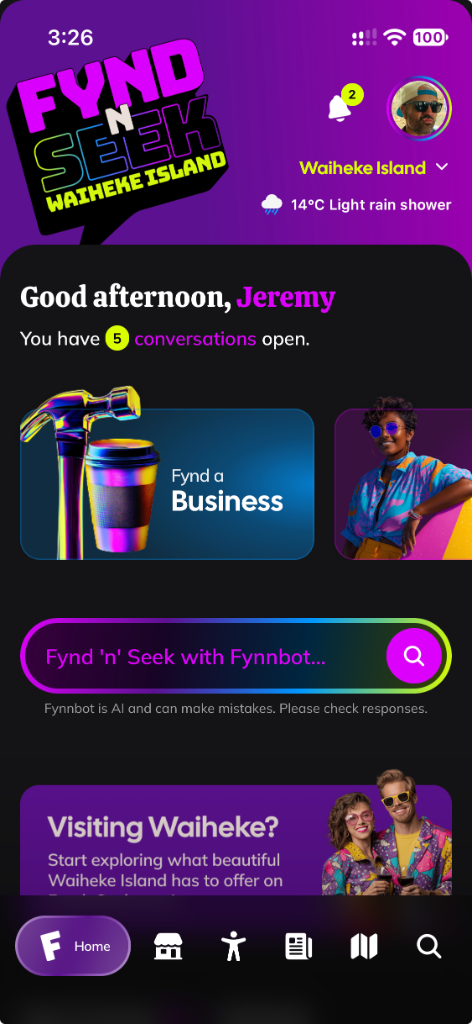
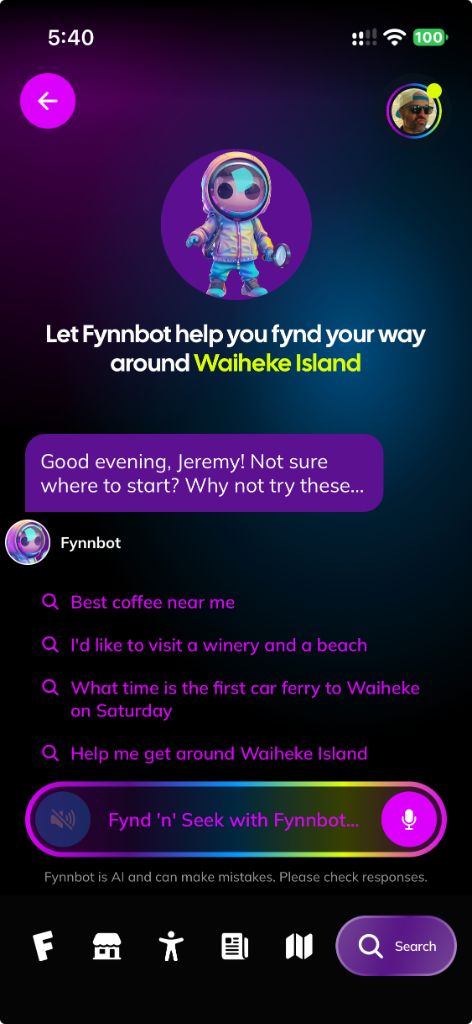
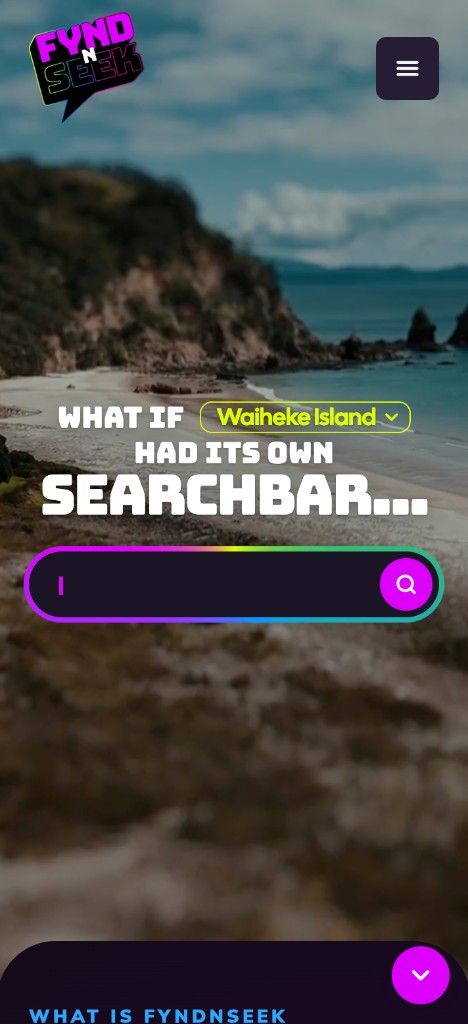
FyndnSeekSide project · iOS & AndroidLaunching Oct 2026

My passion project

An app that connects locals and visitors to businesses, experiences, and community buzz, one region at a time. An exercise in learning and skills development that has birthed a side project, researched, designed and built by me.

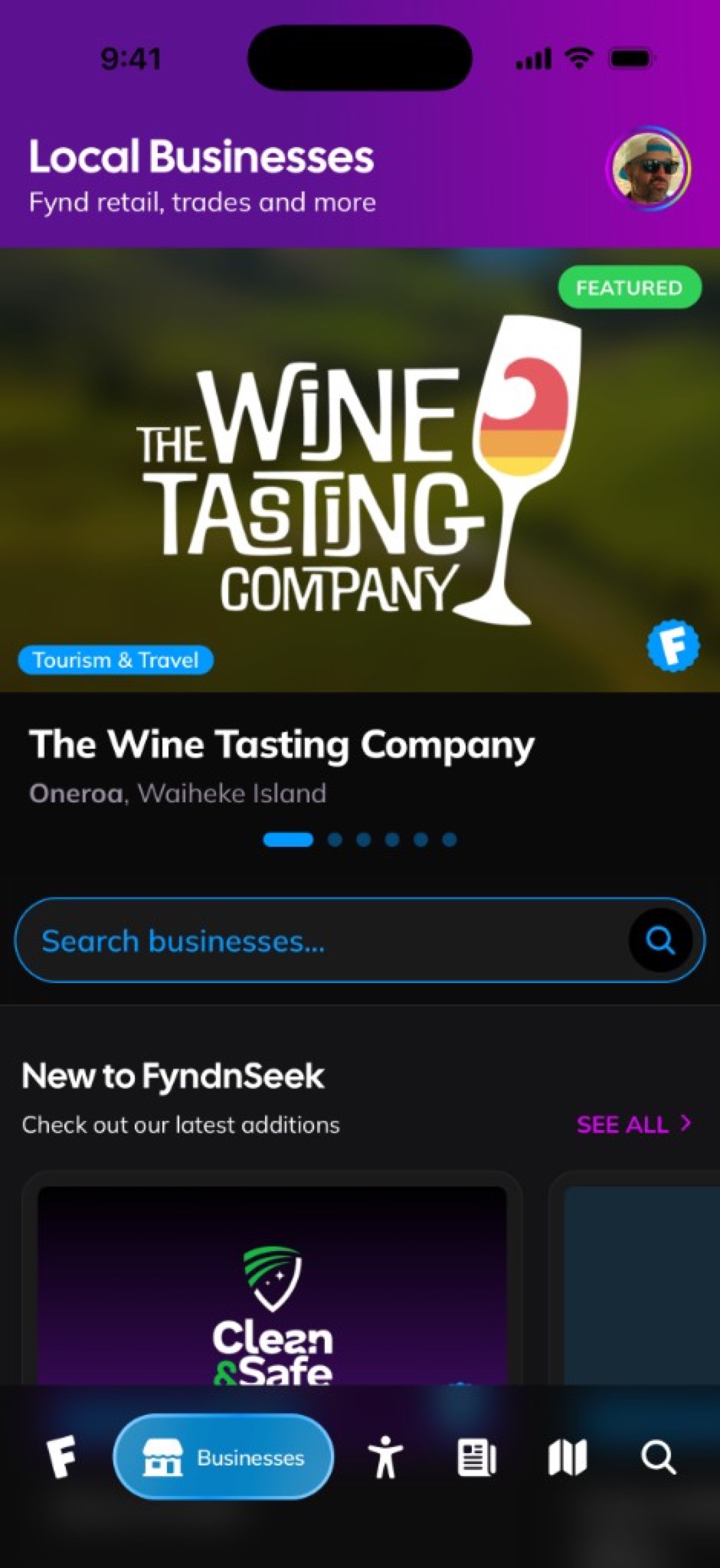
FyndnSeek — Businesses
Businessesfyndnseek-1.jpg470 × 1024
BusinessesRetail, trades and more nearby.
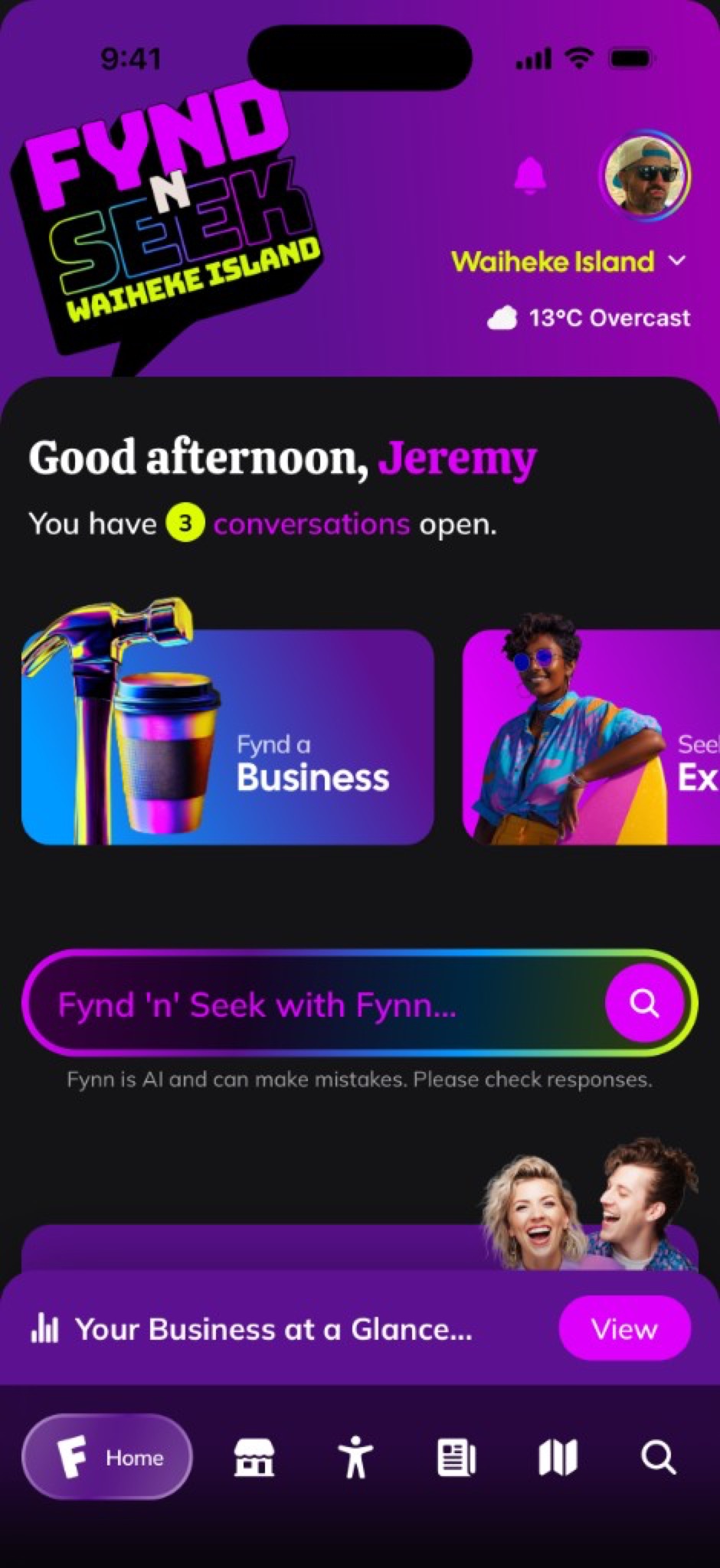
FyndnSeek — Discover
Discoverfyndnseek-2.jpg470 × 1024
DiscoverEverything local, on one map.
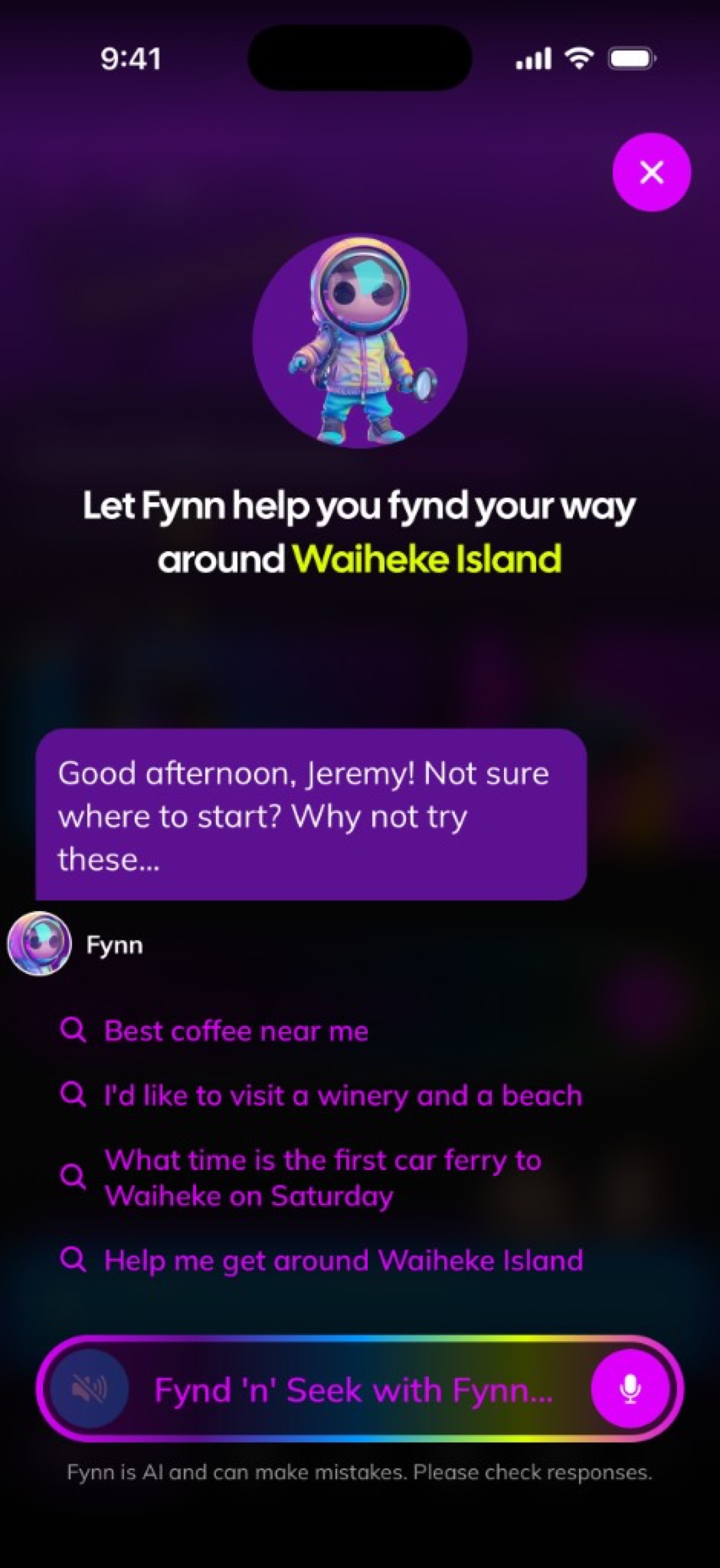
FyndnSeek — Fynn
Fynnfyndnseek-3.jpg470 × 1024
FynnAsk, and get around from there.
Tools

My toolkit...

FigmaDesign & Prototyping
MiroPlanning & Coordination
Inkwell KitSketching
SneakPeekitSketch sheets
Wispr FlowKeyboard killer
WebflowBuilds with CMS
WizedMiddleware for Webflow
XcodeiOS Builds
Affinity Designer & PhotoPhotos & illustration

My preferred AI toolkit

Cursor AIAI IDE
ClaudeCreative Work
ChatGPTCreative Work
GrokDeep Research
MidJourneyGenerative Creativity
HiggsfieldGenerative Creativity